Projects
-
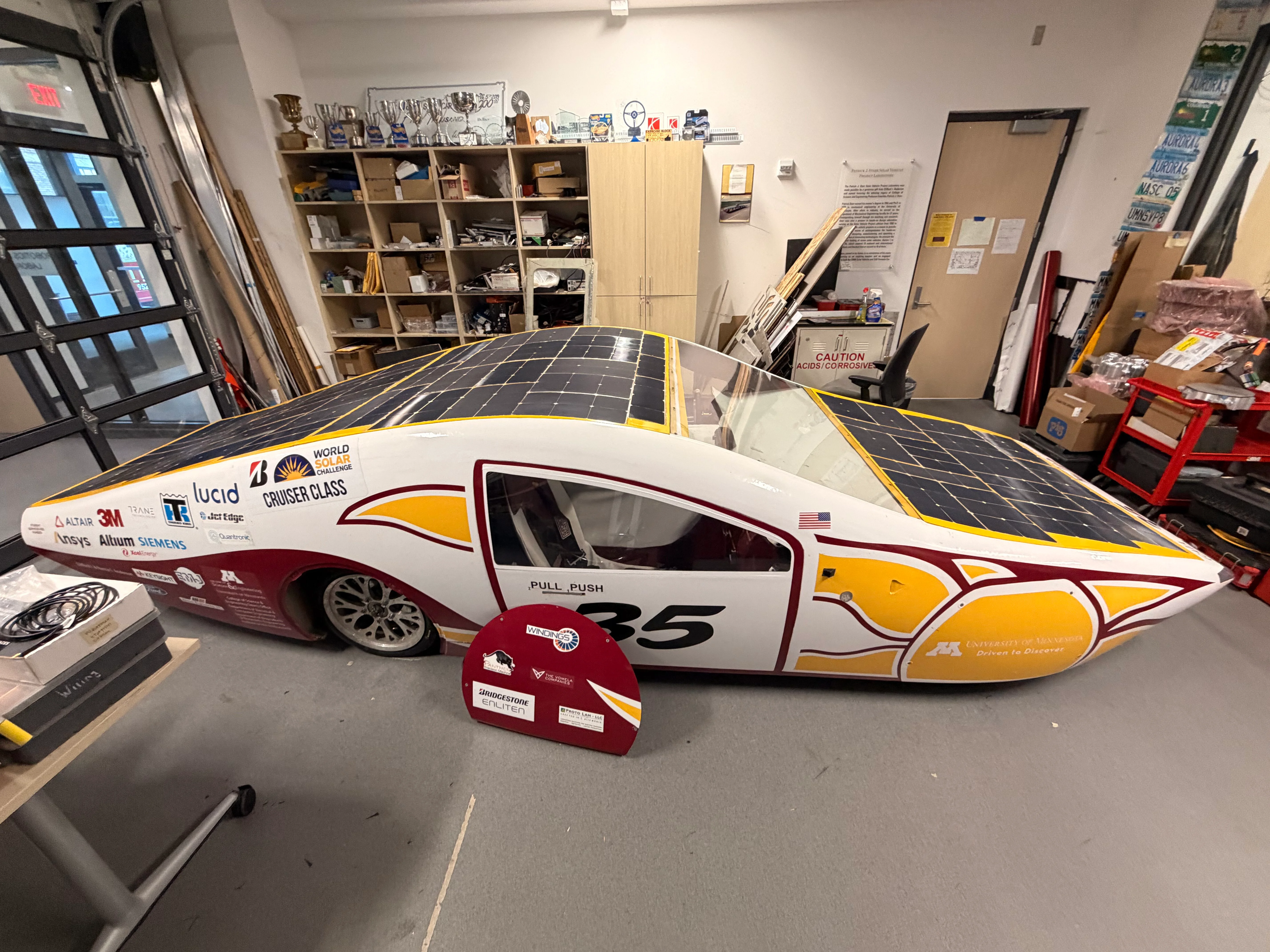
Solar Vehicle Project
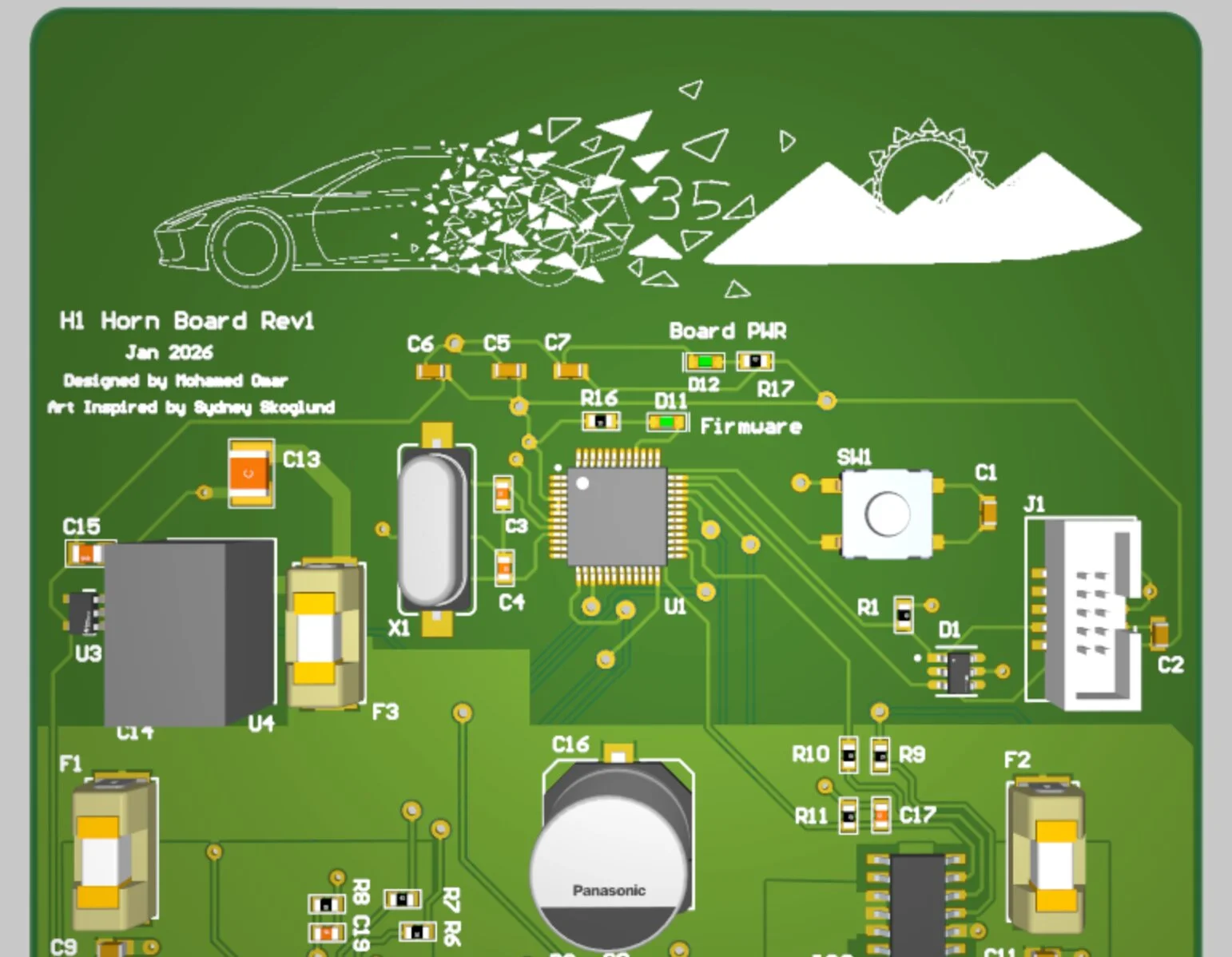
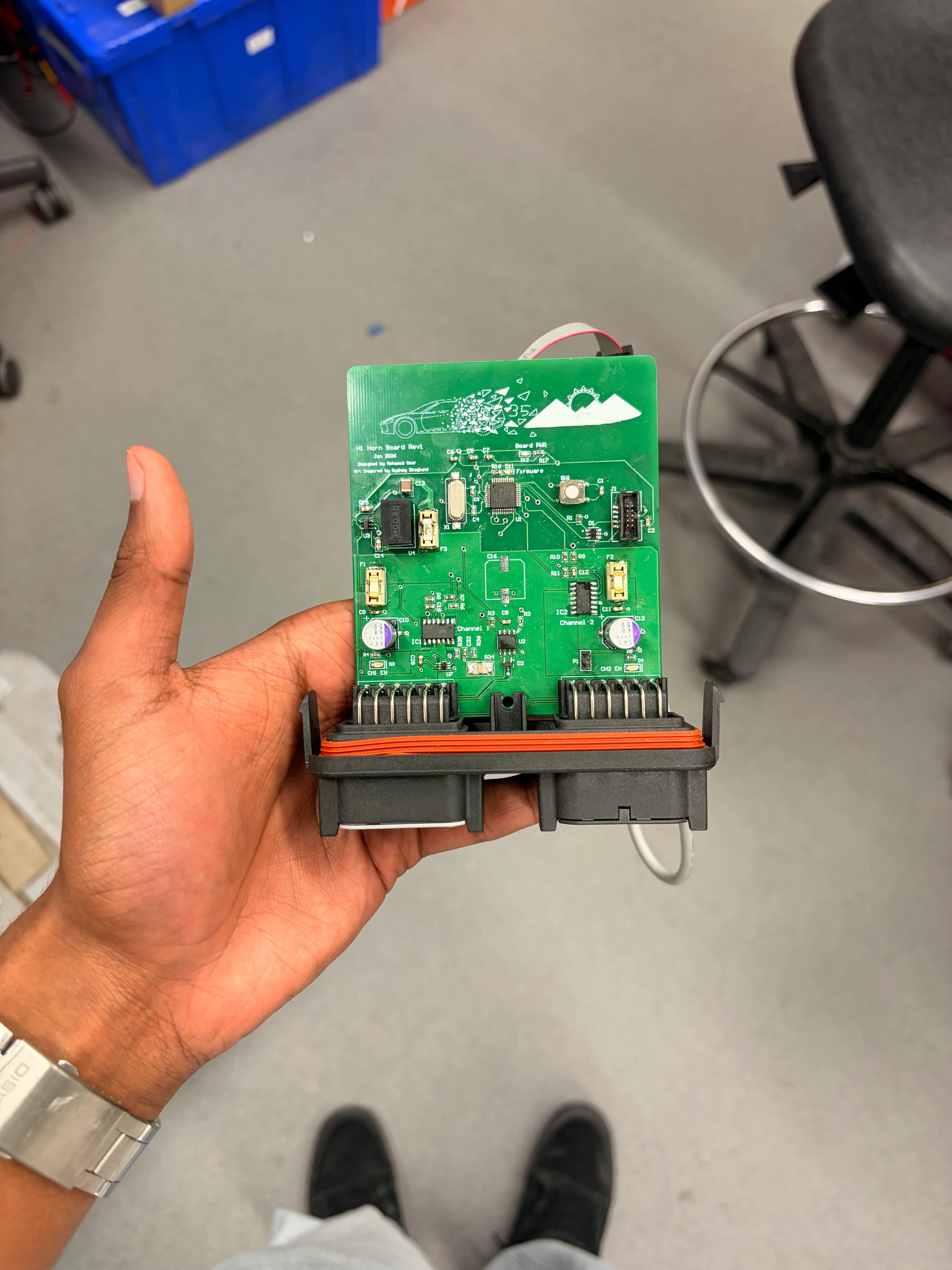
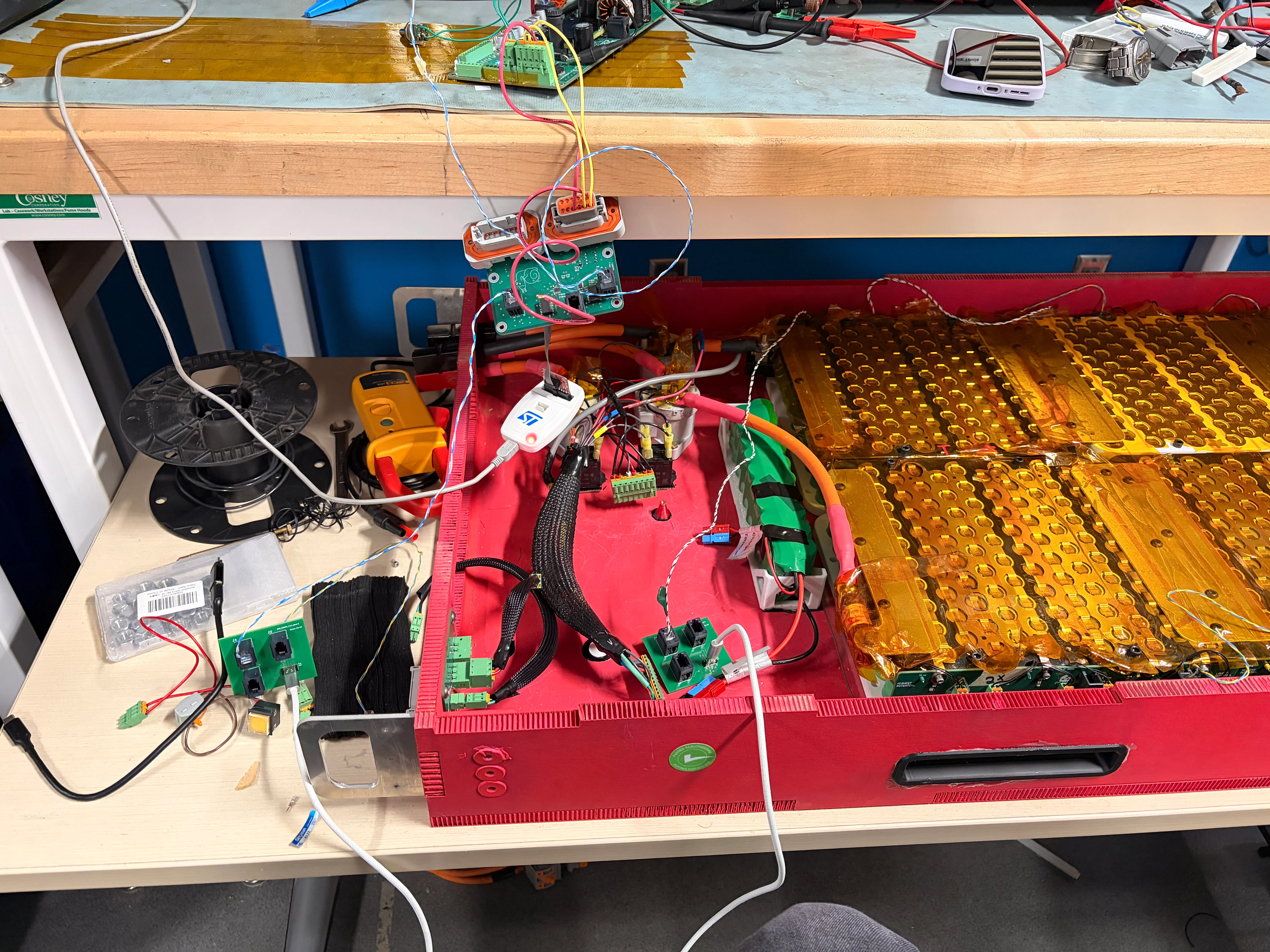
As part of my school’s solar vehicle project, I design schematics and pcb’s as well as develop code and test them for both the horn component and battery management system of the vehicle.
This includes everything from the initial schematic in Altium Designer to component selection, microcontroller programming, debugging with oscilloscopes and logic analyzers to hands on tasks such as spot welding battery cells into packs or assembling / soldering pcb’s by hand or with a stencil and reflow oven.
For privacy reasons I can't show current designs or other complex battery designs but these are some horn designs & old debugging that I did.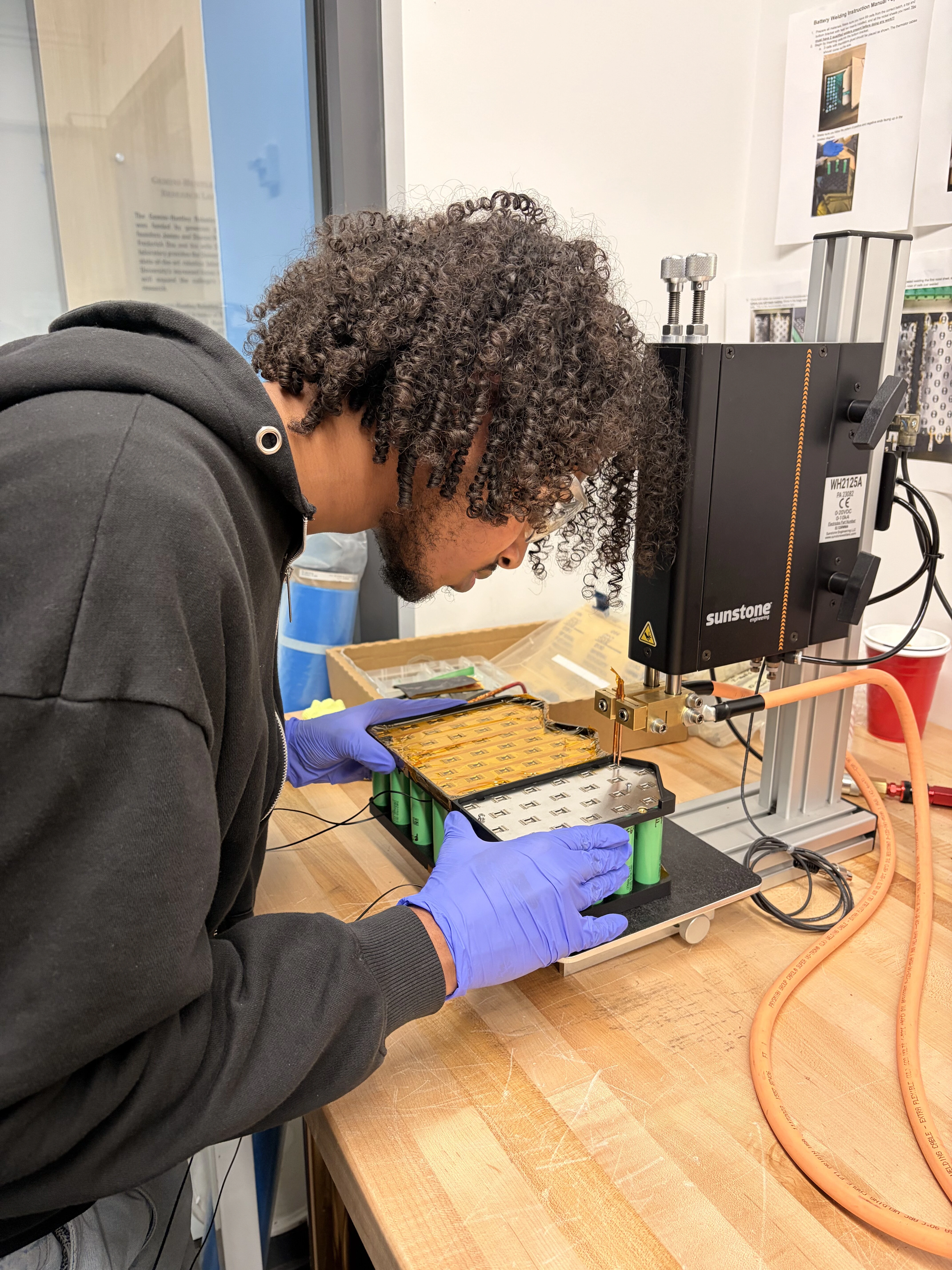
-
Research : Autonomous Vehicles over Bandwidth Constrained Networks
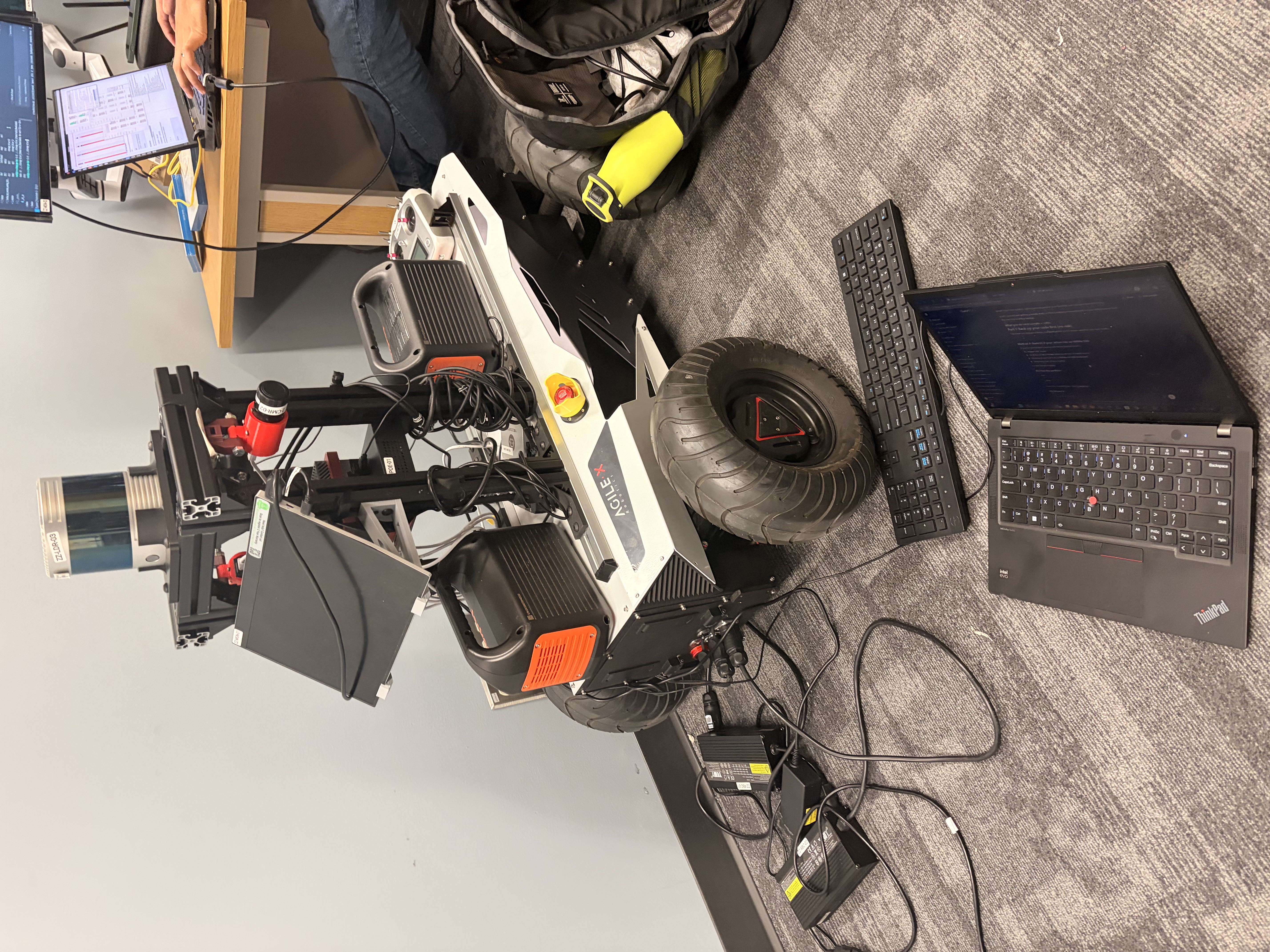
Under the Computer Network and AI Research Lab, I research and develop autonomous vehicle and teleoperation systems using multimodal sensor fusion (camera, LiDAR, radar) and ROS2 to support safe operation over long distances and bandwidth constrained networks. I am also Investigating the deployment of autonomous indoor robots using embedded edge computing on a NVIDIA Jetson & Hunter 2.0 robot from AgileX robotics
-
Research : Robotic Manipulation
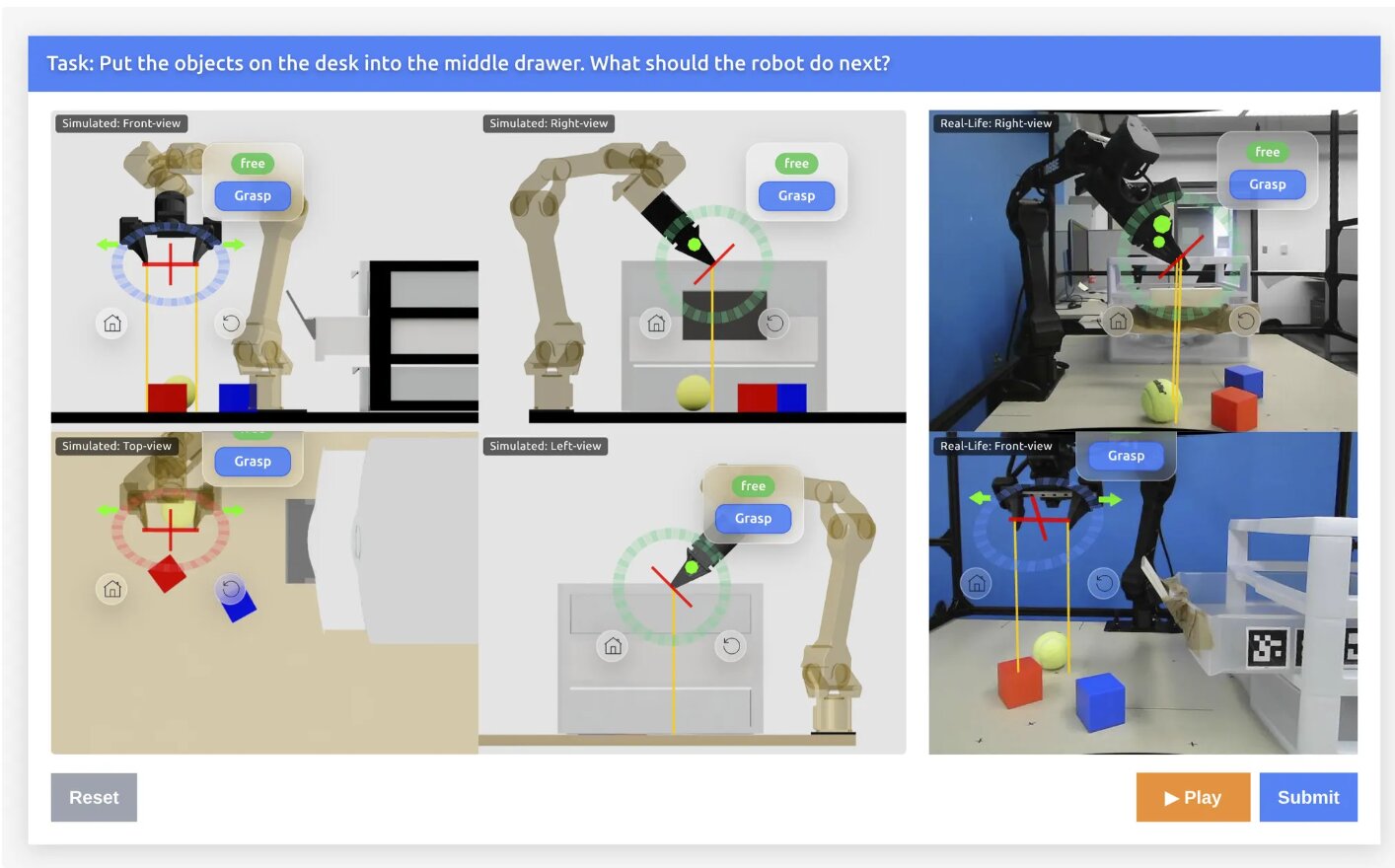
Under the Human Centered Computing Lab, I am conducting research on robotic manipulation using diffusion based learning to enable robots to adaptively choose among multiple valid actions in uncertain, real world environments
-
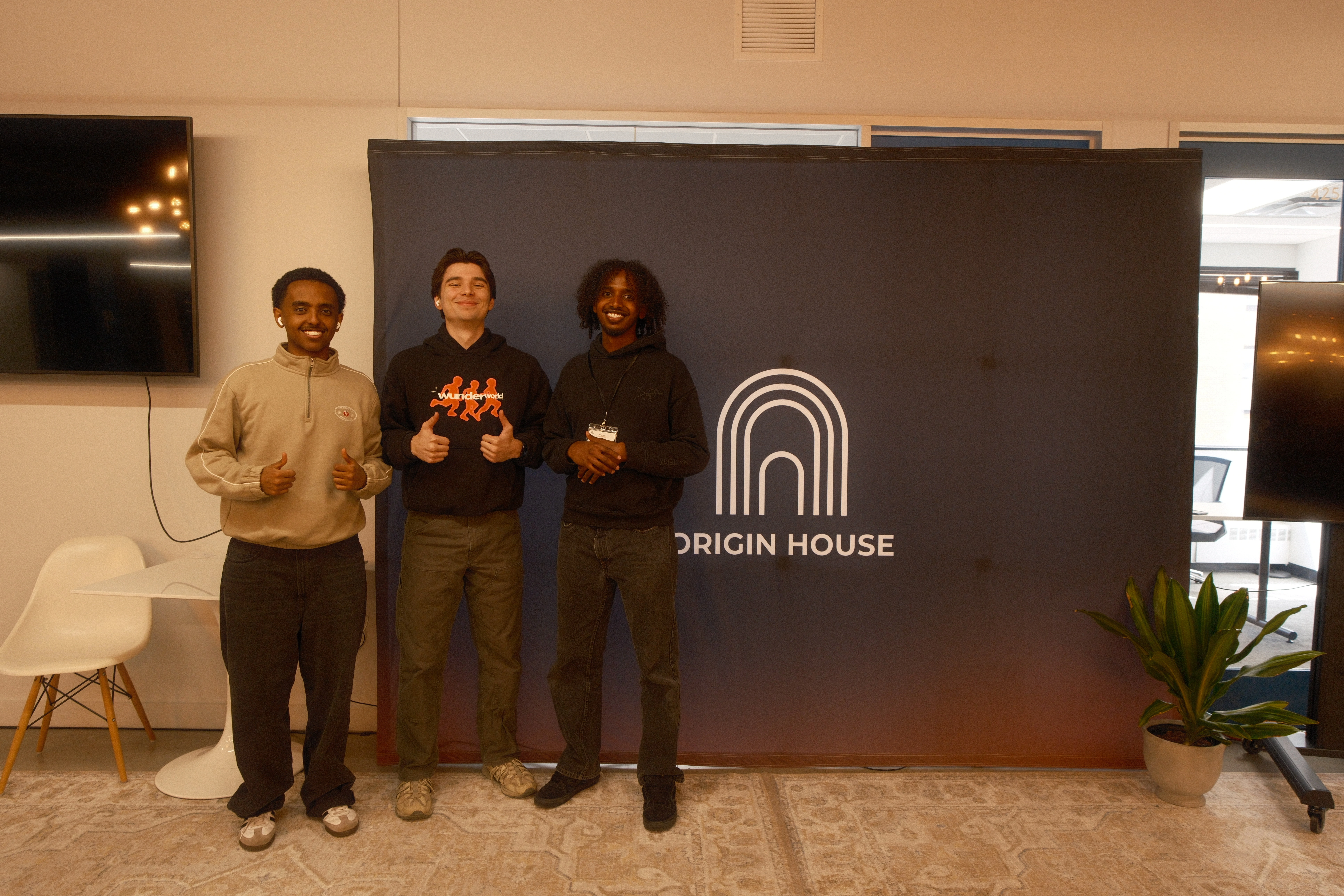
AllerSight - O1 Summit Hackathon by Origin House, AWS, Vercel, Stripe,etc.
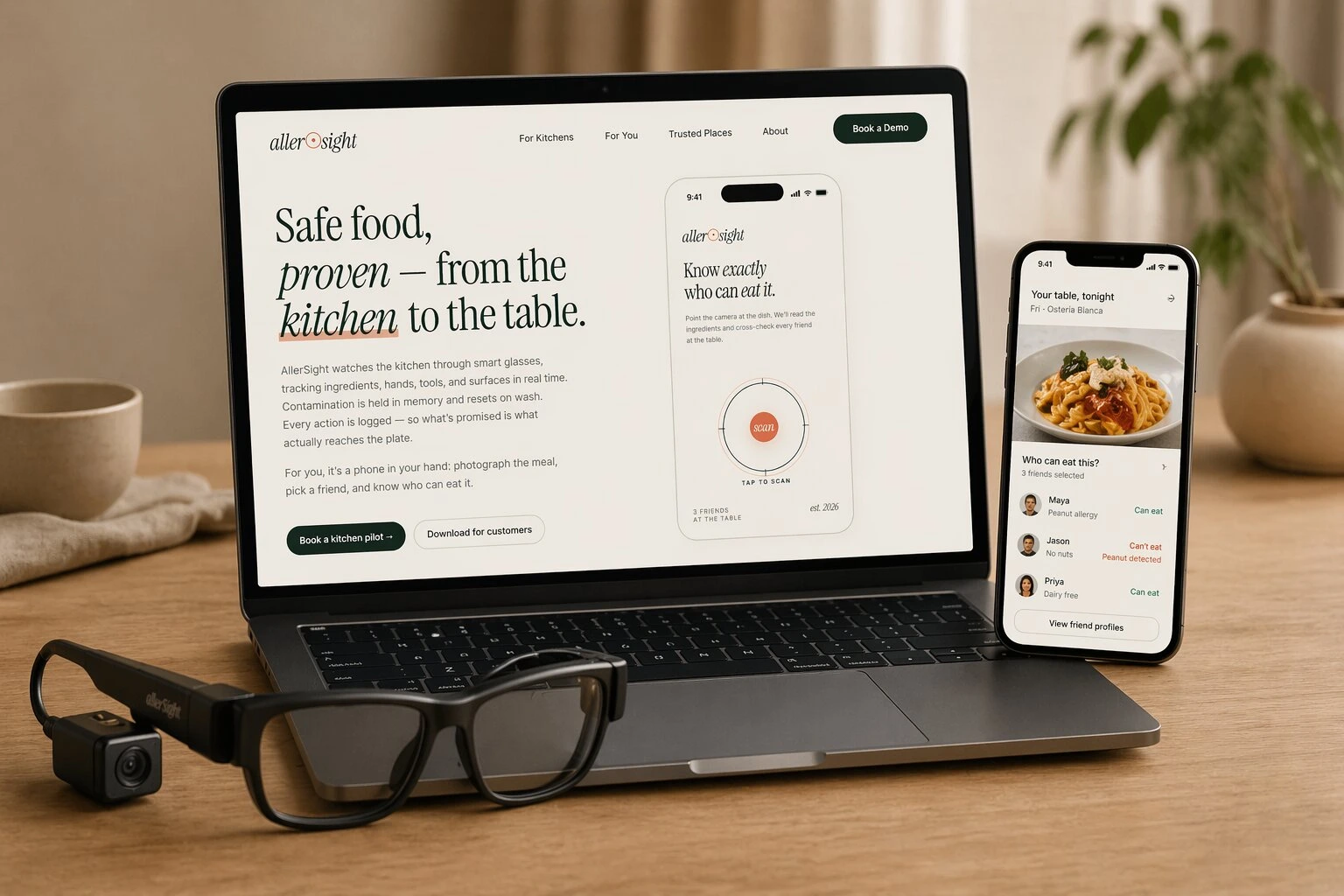
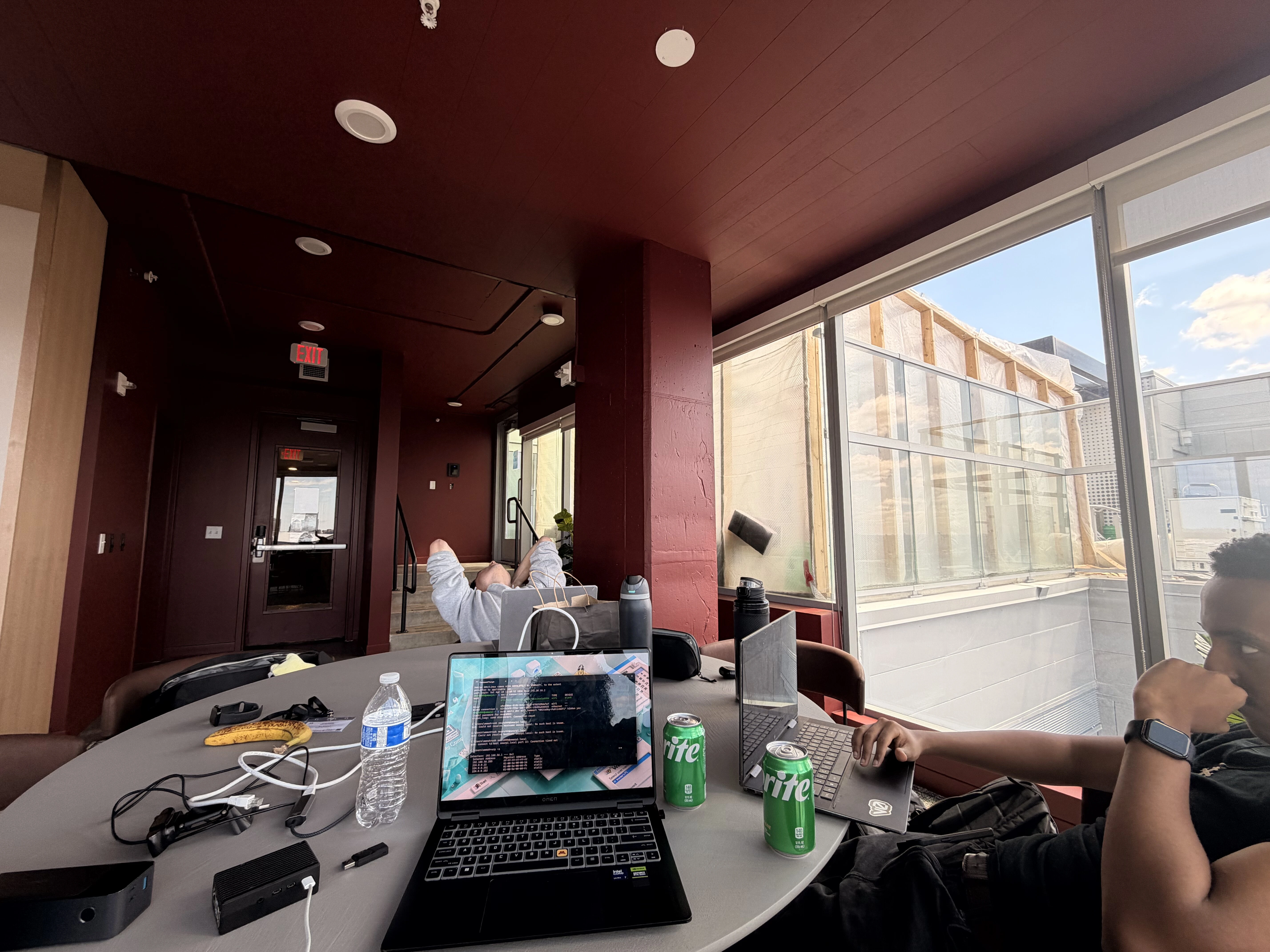
As part of the O1 Summit hackathon, my team and I built AllerSight, a real time allergen safety system that combines embedded hardware, computer vision, and agent based pipelines to reduce cross contamination risk in kitchens. We further extended the pipeline by feeding detection outputs into TinyFish agents that scrape and analyze local restaurant menus to recommend safe dining options.
I was in charge of the embedded hardware and computer vision components, where we prototyped smart glasses using a Raspberry Pi and webcam and streamed the video for processing in our backend for real time ingredient detection and tracking across hands, tools, and surfaces. The system maintains a ‘contamination memory’ that updates continuously and resets upon detecting wash events, while generating timestamped logs for compliance and other business needs.
Click the youtube link (in the title) above to see the demo.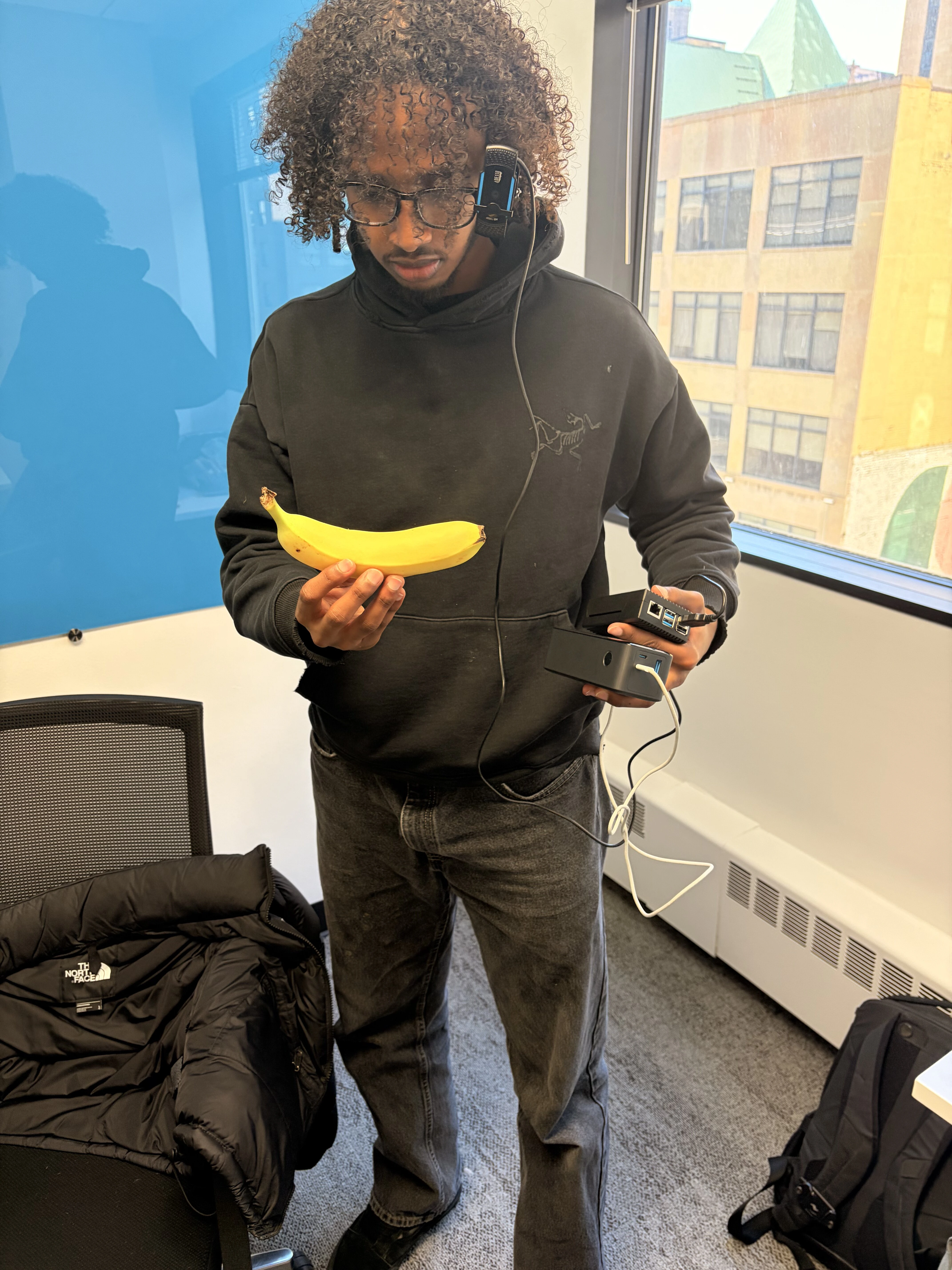
-
Billy Bass Fish via Slack
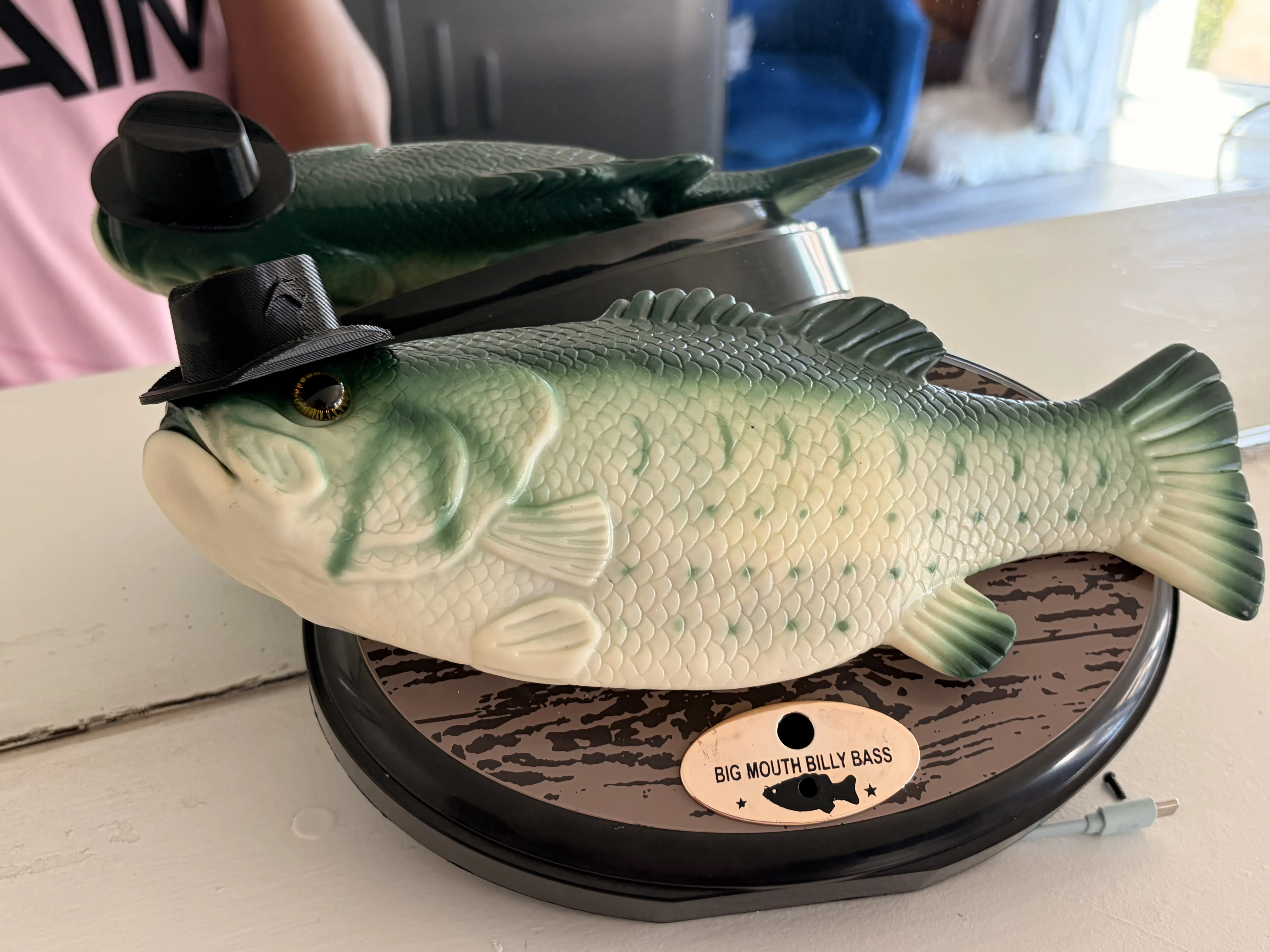
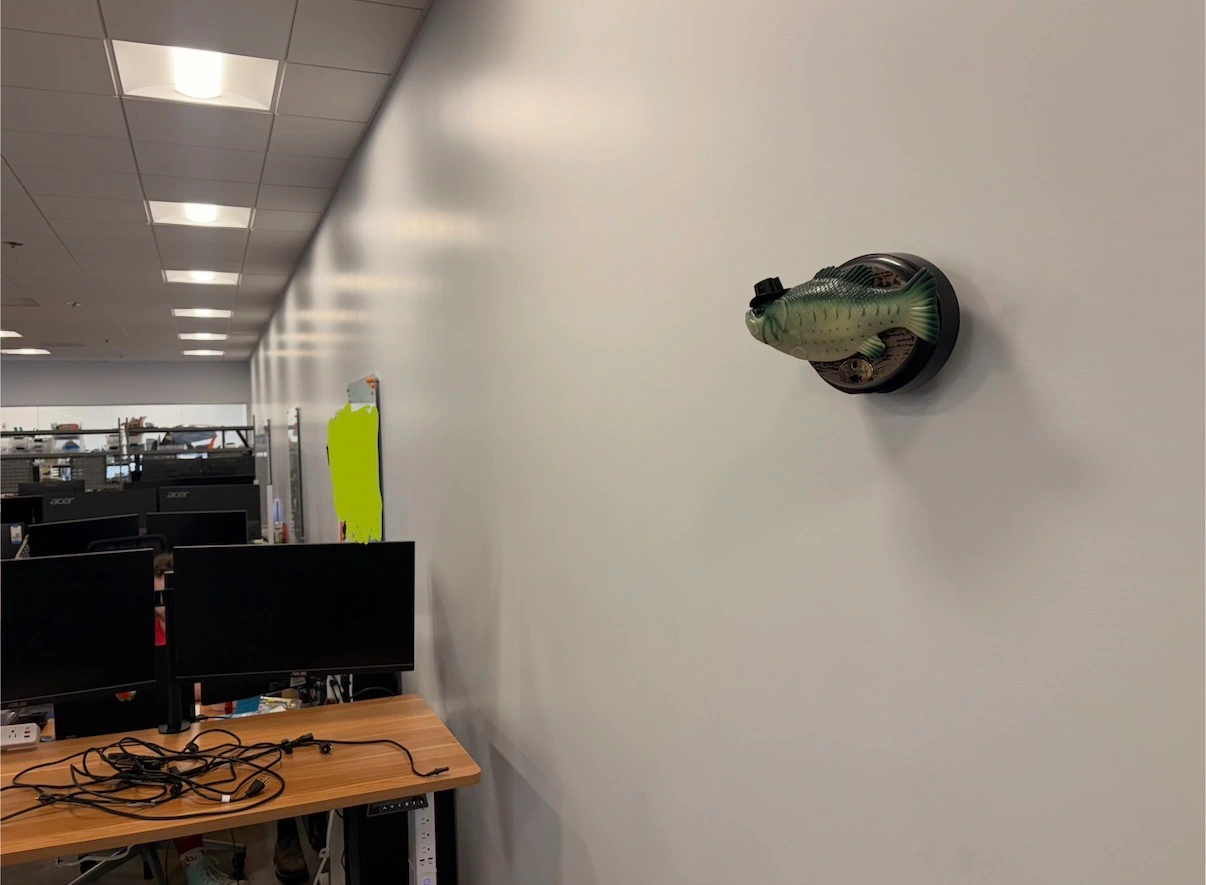
During my summer internship at Arc, an electric boat company, my roommates and I turned a Big Mouth Billy Bass into a Slack triggered dancing fish that went off whenever the company hit a milestone. Arc already had Slack pings set up for certain milestones so we hooked into those, and we also made it trigger anytime someone used @Fish in a channel. It ended up being a solid morale boost across the entire engineering department since everyone got to see something silly but cool represent each big milestone the company reached.
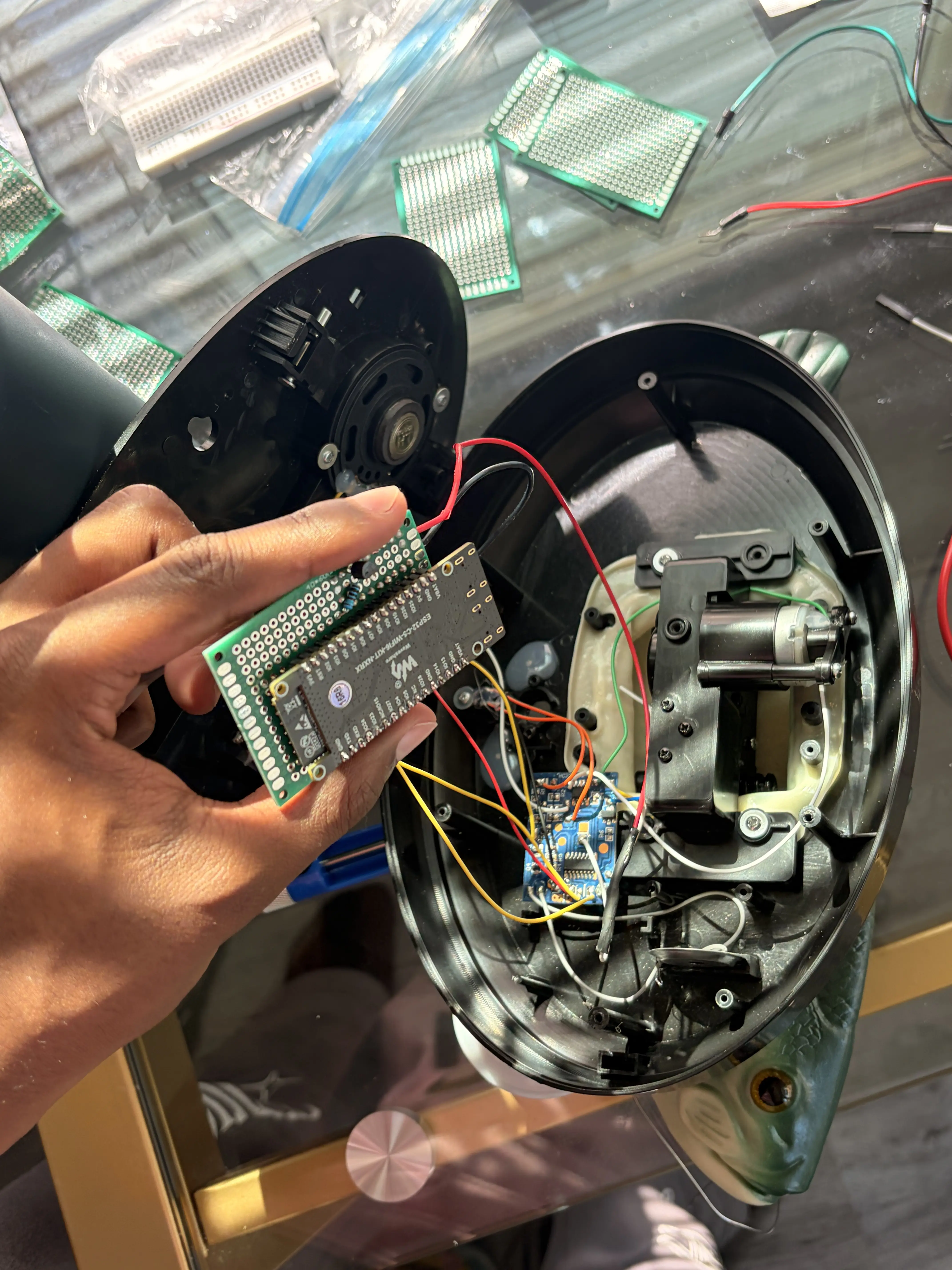
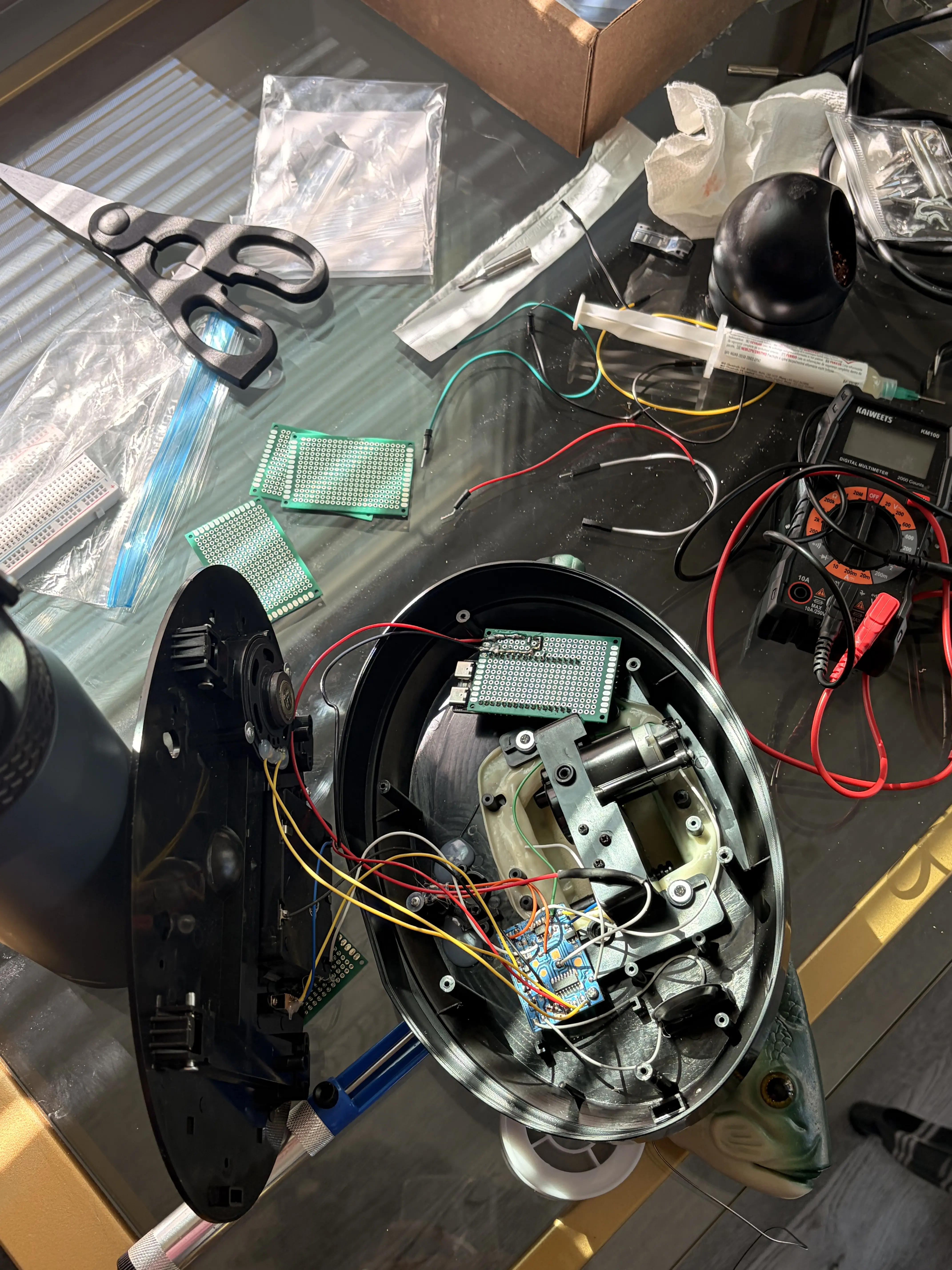
We started by taking the fish apart and prototyping on a breadboard to figure out how to trigger the motors, using a 2N7000 MOSFET and an ESP32. We considered taking over the speaker control to play custom songs as well, but after a quick poll around the office it turned out people preferred the built in songs so we left those alone. From there we wrote a Slack bot that listened for pings in a test channel we set up and used that to trigger the fish, then moved everything onto a perf board and soldered the connections by hand since we only needed the one board and ordering a PCB felt like overkill.
The whole circuit fit inside the fish's original housing which kept it a clean setup. We initially mounted a power bank behind the fish and powered the ESP32 over USB C while keeping the original batteries for the motors, but later swapped to a wall cable so the project could outlive our time at the office without someone needing to remember to recharge it.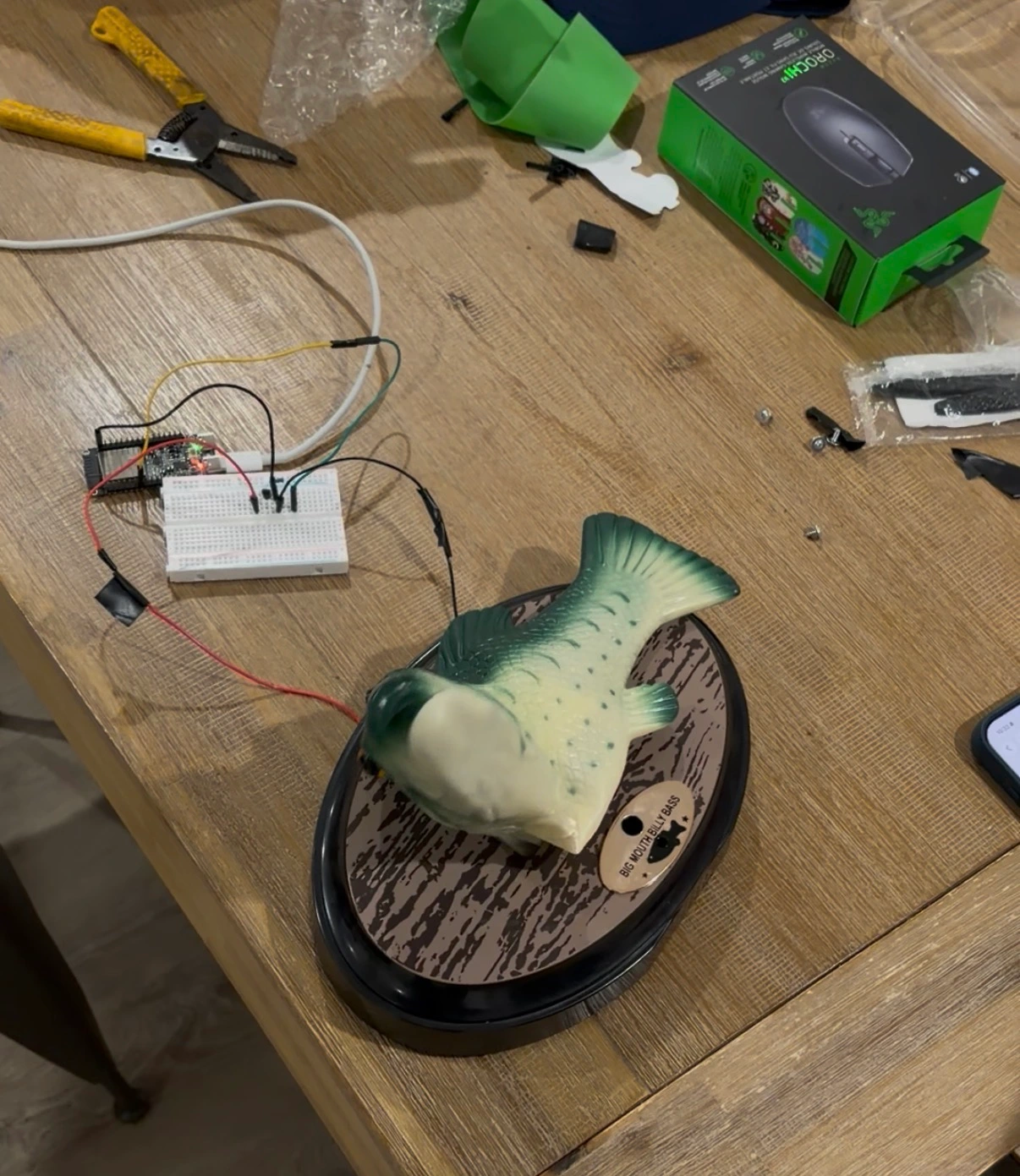
-
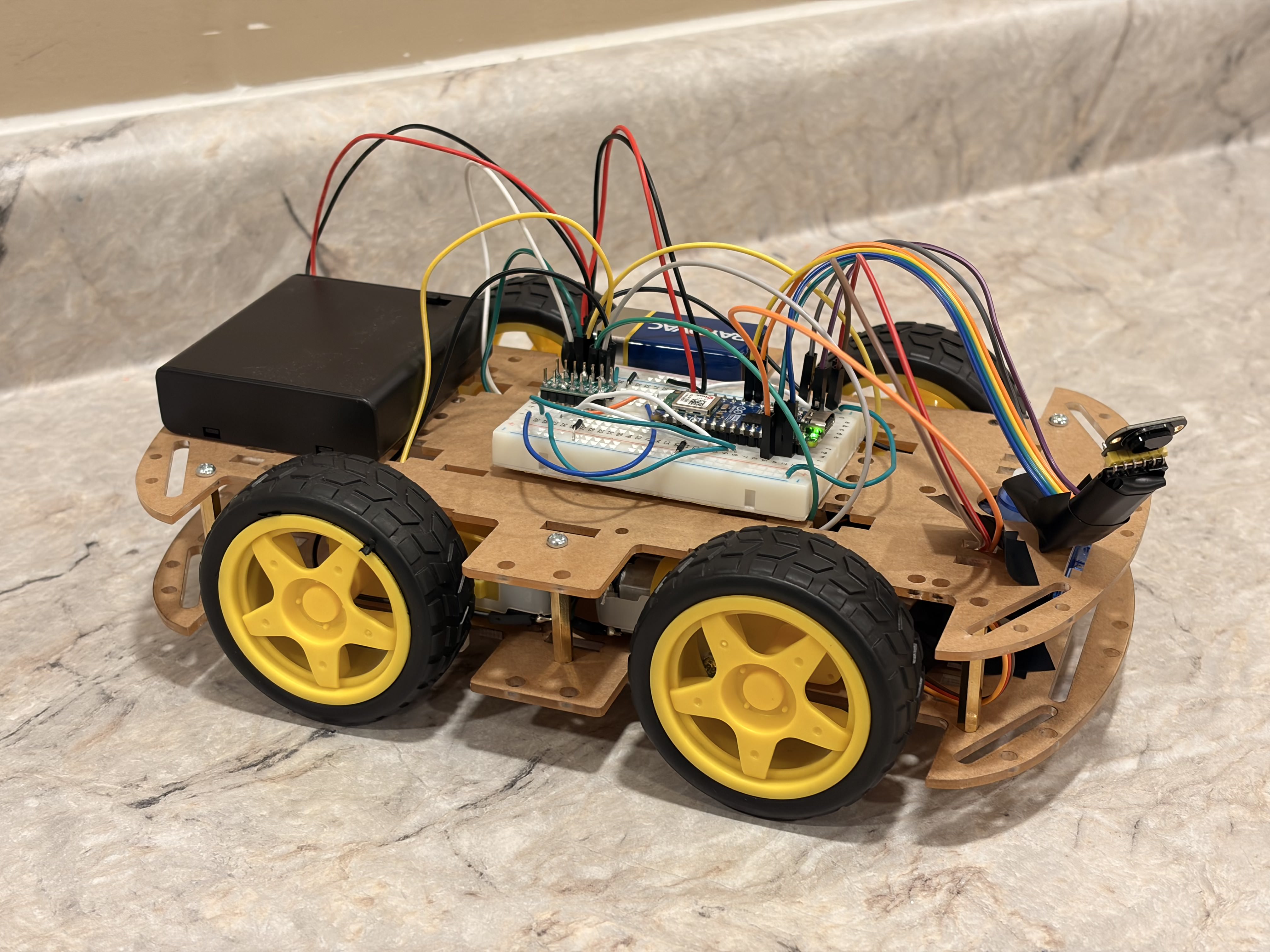
Obstacle Avoiding RC Car
As part of a personal project I developed an obstacle avoiding RC car using a servo mounted VL53L1X Time of Flight sensor for obstacle detection / distance measurement, an ESP32 nano for processing along with a DRV8835 carrier to drive the motors. I plan to scale this project by implementing a camera with robot vision algorithms to classify objects and include decision making rather than predefined commands..
-
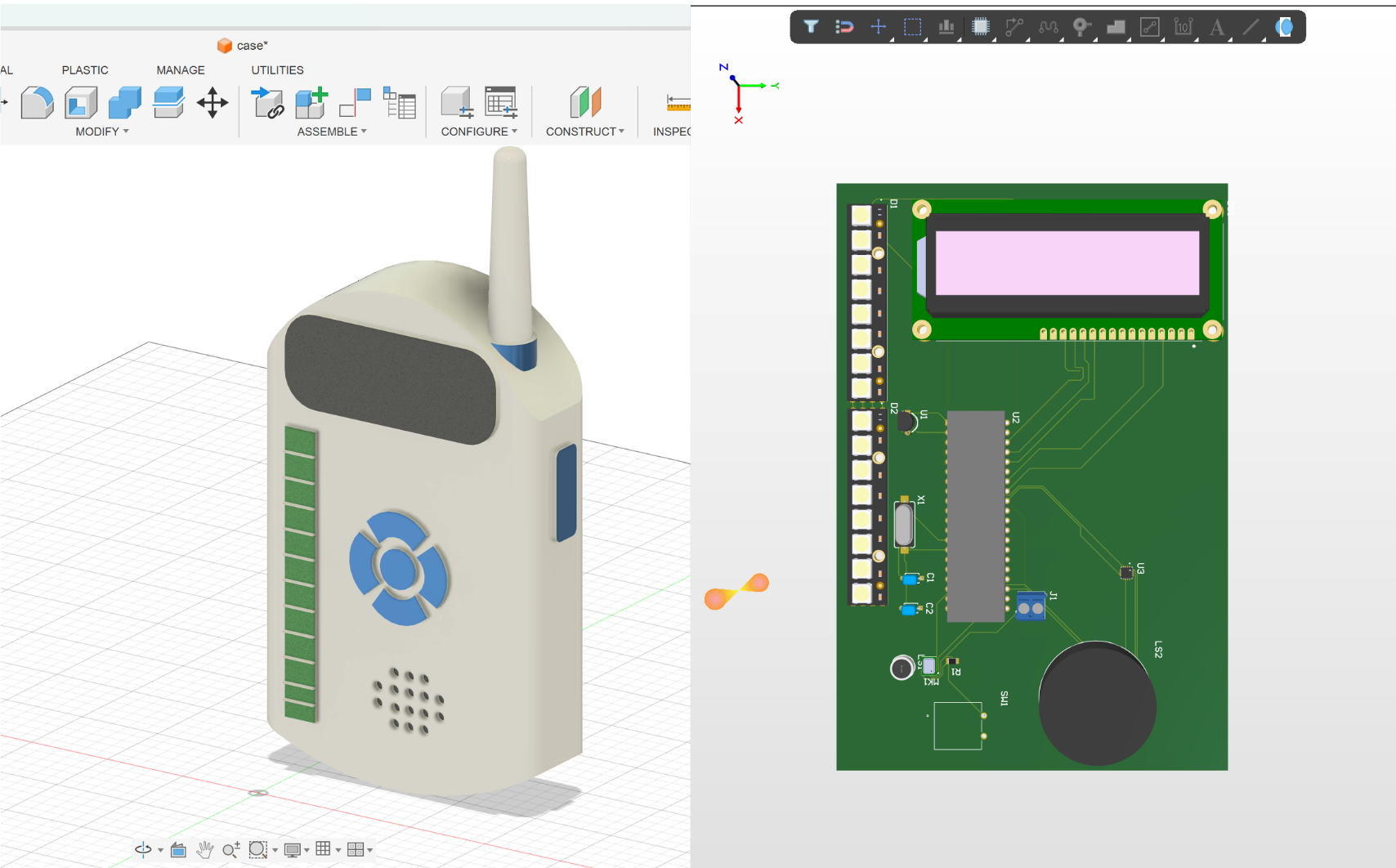
Baby Monitor
For an Intro to Microcontrollers course, my peers and I developed a baby monitor device centered around two breadboards with a PIC24 microcontroller for signal processing. The device also used HC-05 and HC-06 bluetooth modules for wireless data transfer, an 8 segment NeoPixel LED strip to visualize audio amplitude levels, an LCD for displaying temperature and system status, and integrated microphone and temperature sensors for environmental sensing and monitoring
After the initial project, I scaled the design by creating my first ever custom PCB and CAD enclosure, integrating all components into a compact and manufacturable design. Since then, I’ve continued to refine and develop increasingly complex systems, as reflected in my work on the solar vehicle project and other embedded hardware designs.